
led backlit mirror
The Versatility and Importance of Metal Strainers in Culinary Practices In the world of culinary arts, the tools and equipment used can significantly influence the final outcome of a dish. Among these essential tools, metal strainers hold a special place owing to their versatility and durability. Whether you are a professional chef or a home cook, understanding the various applications and benefits of metal strainers can elevate your cooking experience. Metal strainers, typically made of stainless steel, are designed to separate solid particles from liquids. They come in various shapes and sizes, from small handheld options to large colanders that can be used for bulk cooking. The design often includes a fine mesh that allows liquid to pass through while trapping larger food particles. This feature makes them indispensable for a multitude of culinary tasks. One of the primary uses of a metal strainer is for draining pasta. Cooking pasta is a staple in many kitchens, and once the pasta is al dente, it must be drained efficiently. A metal strainer allows for quick drainage without losing any pasta in the process. Unlike plastic strainers, which may warp or discolor with repeated use, metal strainers can withstand high temperatures and heavy loads, making them a longer-lasting choice. Metal strainers are also essential for washing fruits and vegetables. A quick rinse in a metal colander can help remove dirt and pesticides from produce. The durability of the metal ensures that the strainer will hold up against the weight of water and food without bending or breaking. Moreover, many metal strainers come with handles or hooks that allow them to be conveniently positioned over sinks or pots, facilitating easy cleaning. metal strainer Another critical application of metal strainers is in the preparation of sauces and broths. When you want to achieve a smooth, velvety sauce without any lumps, a metal strainer can be your best friend . After cooking, simply pour the mixture through the strainer to separate the solids, resulting in a refined sauce perfect for any dish. Similarly, when making homemade broth or stock, a metal strainer can effectively filter out bones, herbs, and other impurities. In baking, metal strainers are equally useful. When sifting flour or powdered sugar, a metal strainer can help aerate the ingredients, resulting in a lighter, fluffier texture in baked goods. Furthermore, sifting is an essential step in many recipes to ensure even distribution of dry ingredients, and metal strainers make this process quick and efficient. Beyond the kitchen, metal strainers have applications in various industries, including brewing and winemaking. In these fields, they are used to filter out solids from liquids, ensuring a clean, clear product. The food-grade quality of stainless steel makes metal strainers ideal for these applications, as they do not react with acidic ingredients or compromise the flavor of the final product. Maintenance and care for metal strainers are relatively easy. Most can be washed in a dishwasher or by hand with warm soapy water. The resistance of metals like stainless steel to rust and corrosion ensures longevity, making them a worthwhile investment in any kitchen. Additionally, their sleek design and polished finish add a touch of elegance to culinary tools. In conclusion, metal strainers are crucial tools in every kitchen, renowned for their versatility and durability. From draining pasta to washing produce and filtering sauces, their applications are extensive and invaluable. Their strong construction guarantees long-term use, while their ease of maintenance enhances their appeal. As one continues to explore the culinary arts, embracing tools like metal strainers not only improves efficiency but also the overall quality of the food being prepared. Therefore, whether you are a seasoned chef or an enthusiastic home cook, adding a sturdy metal strainer to your kitchen toolkit is a decision you won’t regret.
about
led backlit mirror
Understanding Level Suppliers in Supply Chain Management In today’s globalized economy, the concept of suppliers plays a crucial role in the success and efficiency of any business. Among the various categories of suppliers, level suppliers are particularly significant, as they represent different tiers in the supply chain. Understanding level suppliers, their roles, and how they impact businesses is essential for anyone involved in supply chain management. What are Level Suppliers? Level suppliers are categorized based on their proximity to the manufacturer or end-user in the supply chain. They are often classified into three levels 1. First-Tier Suppliers These are direct suppliers who provide materials or components to manufacturers. For instance, if a car manufacturer sources tires directly from a tire manufacturer, the tire supplier is considered a first-tier supplier. 2. Second-Tier Suppliers These suppliers provide products or materials to first-tier suppliers. Using the car manufacturing example, if the tire manufacturer sources rubber from a rubber processor, that rubber processor is a second-tier supplier. 3. Third-Tier Suppliers Often further removed from the end manufacturer, these suppliers provide raw materials or components to second-tier suppliers. In our example, if the rubber processor sources natural rubber from plantations, then those plantations constitute third-tier suppliers. This tiered system helps businesses manage their relationships with suppliers more effectively, allowing them to understand the complexities of their supply chains and the interconnections between different supplier levels. Importance of Level Suppliers 1. Cost Management By identifying and managing levels of suppliers, businesses can better control costs. First-tier suppliers may charge more for their goods, but they often provide higher quality or more specialized products. By examining the entire supply chain, companies can find ways to reduce costs without sacrificing quality. level supplier 2. Quality Assurance The level of a supplier often directly impacts the quality of the finished product. Manufacturers must ensure that not only first-tier suppliers meet quality standards but also that second- and third-tier suppliers do as well. This can be achieved through supplier audits and assessments, ensuring that quality is maintained throughout the supply chain. 3. Risk Management Understanding supplier levels aids in risk management. Disruptions can occur at any level of the supply chain, so being aware of the entire network of suppliers helps businesses prepare for potential issues. For example, if a natural disaster impacts third-tier suppliers, it may affect first-tier suppliers, and consequently, the manufacturer. Being aware of these levels allows companies to diversify their supplier base, reducing dependency on single suppliers and mitigating risk. 4. Improving Collaboration Effective collaboration with suppliers at all levels can lead to innovation and improved processes. By fostering strong relationships with first, second, and third-tier suppliers, companies can encourage new ideas and solutions, leading to enhanced products and services. 5. Sustainability As sustainability becomes increasingly important in today’s market, companies must consider the practices of their suppliers at all levels. Understanding where materials come from allows firms to ensure they are sourcing sustainably, thereby improving their overall environmental impact. Challenges in Managing Level Suppliers While the benefits of managing level suppliers are numerous, challenges do exist. Communication can become complex as the number of supplier tiers increases, and ensuring compliance with standards at all levels can be difficult. Additionally, businesses often struggle with transparency in their supply chains, making it hard to track the origins of materials and the practices of all suppliers involved. Moreover, geopolitical issues, trade policies, and fluctuating market conditions can further complicate supplier relationships. Adopting technologies such as blockchain can help improve transparency and traceability in the supply chain, but these innovations also require investment and training. Conclusion In conclusion, understanding level suppliers is vital for creating an efficient and resilient supply chain. By categorizing suppliers, businesses can better manage costs, quality, risks, and sustainability practices. While challenges exist, the benefits of effectively managing level suppliers far outweigh the potential drawbacks. As the business landscape continues to evolve, organizations that prioritize and streamline their relationships with suppliers at all levels will be better positioned to thrive in an increasingly competitive environment.
-

High quality industrial productsagement

High quality industrial products
View Details -

Meet the diverse needs of customers

Meet the diverse needs of customers
View Details -

Strict quality control

Strict quality control
View Details -

Top raw materials

Top raw materials
View Details -

Trusted supplier

Trusted supplier
View Details
Our application

news and information
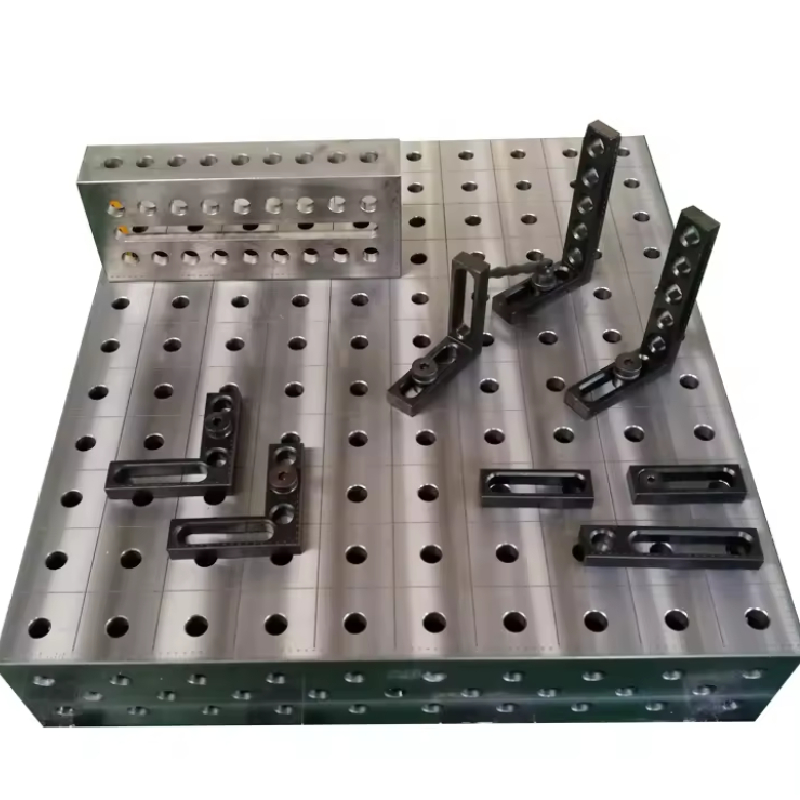
v block v block
Understanding V Block A Fundamental Tool in Manufacturing and Engineering In the world of manufactur

water valve shut off
Navigating the complexities of home maintenance often involves understanding key components such as

Versatile Metal Saddle Clamp for Securely Holding Pipes and Tubing in Various Applications
The Importance of Metal Saddle Clamps in Modern Applications In the world of engineering and constru
 English